
BJP gherao 'New TMC' MLA Sandipan Saha's house in Entally, protest over 'cut money'
.gif)

Download Mobile App 






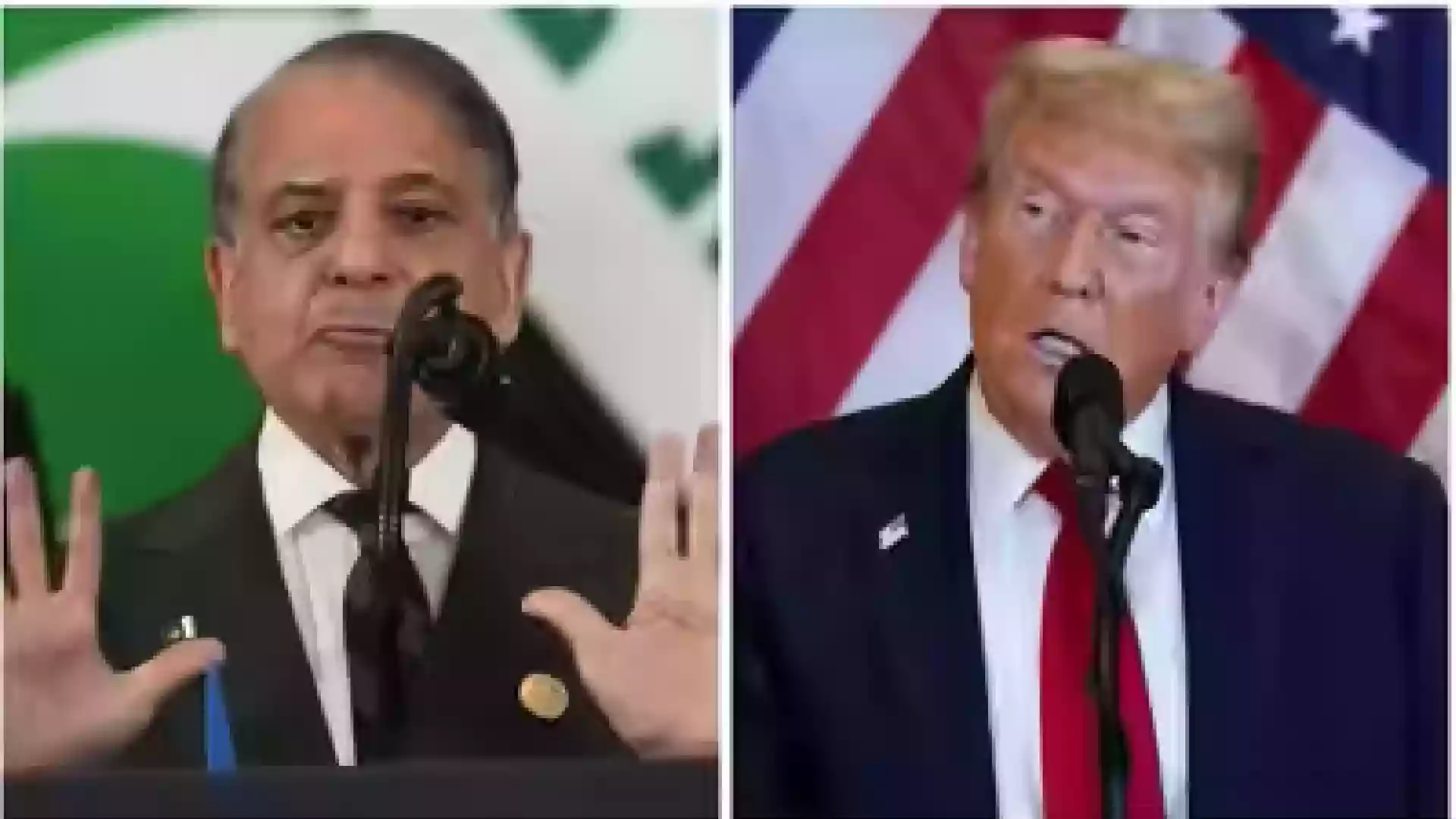
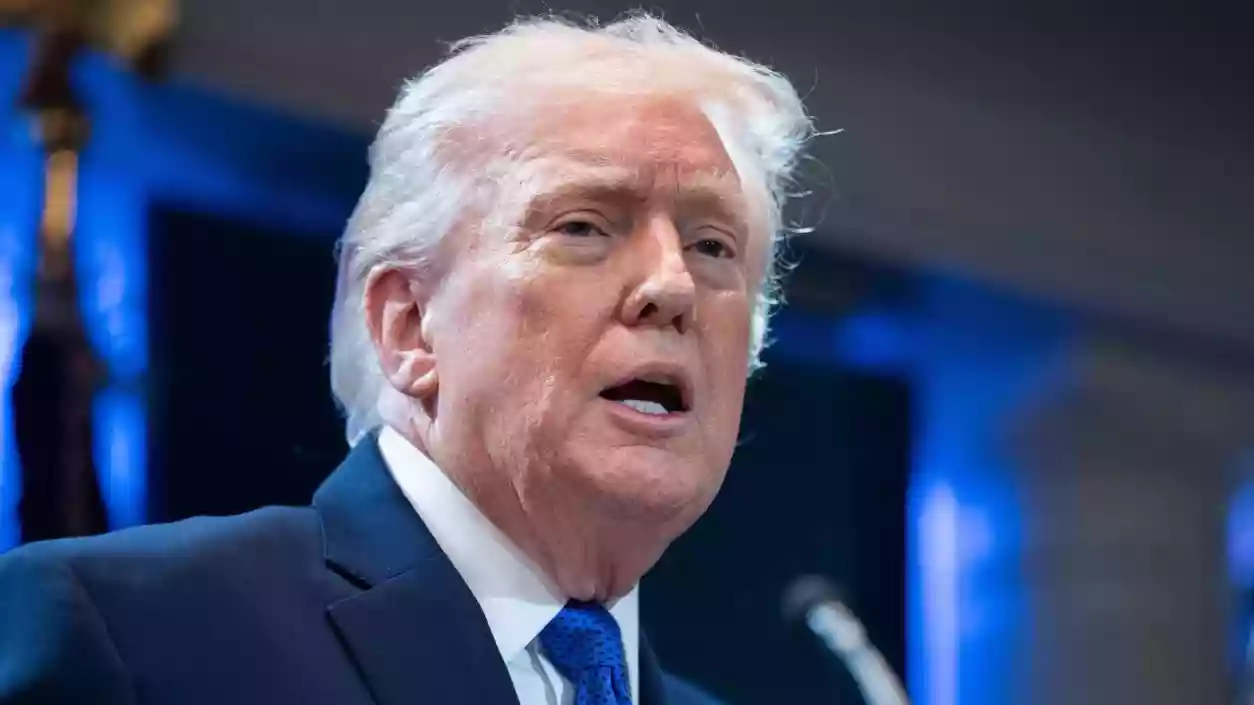
In a bombshell that sent ripples, US President Donald Trump didn't mince words on the shadowy world of nuclear testing, boldly accusing Pakistan of ramping up underground detonations while calling for America to dust off its own arsenal and join the fray to safeguard global parity. Amid escalating tensions with nuclear hopefuls, Trump painted a picture of a lopsided playing field where rivals like Pakistan, Russia, China, and North Korea conduct secretive blasts "way under—underground where people don't know exactly what's happening," leaving faint vibrations as their only telltale sign.
With the US sidelined from live nuclear tests for over three decades since the 1992 moratorium, Trump's revelation—framed as a necessity for deterrence—has reignited debates on whether transparency in an "open society" like America's is a strength or a strategic Achilles' heel, especially as he boasted that the US holds enough warheads to "blow up the world 150 times," far outpacing even Russia's stockpile.
Trump's unfiltered rhetoric laid bare the frustrations of a leader eyeing re-election, hammering home that "we're the only country that doesn't test" while others forge ahead unchecked, from North Korea's relentless missile parades to Russia's recent trials of the Poseidon underwater drone—a doomsday device capable of unleashing radioactive tsunamis. Trump's clarion call resonates beyond briefings, challenging the fragile nuclear order forged in the war's ashes and prompting allies from Europe to Asia to reassess their own postures. In a world where vibrations from distant depths signal shifting sands, his words serve as both warning and wager: ignore the underground echoes at America's peril, lest the next test be one of survival itself.




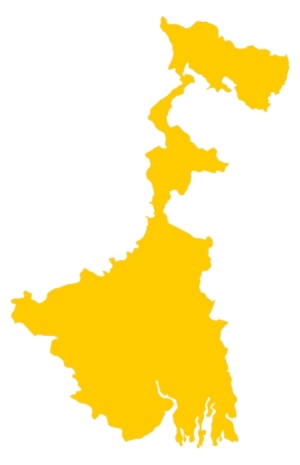 West Bengal
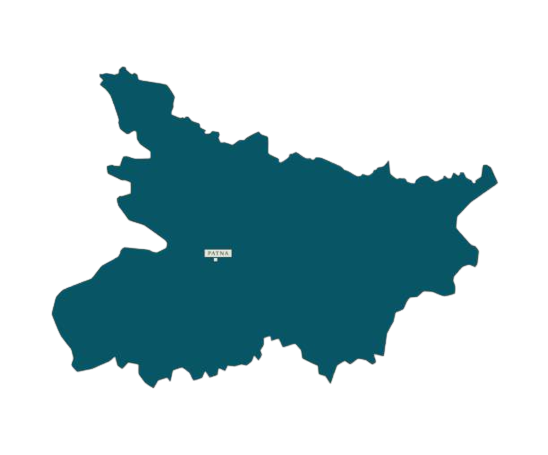 Bihar
Bihar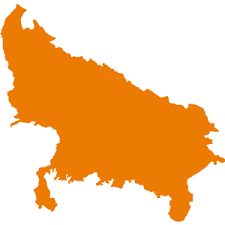 Uttar Pradesh
 Jharkhand